
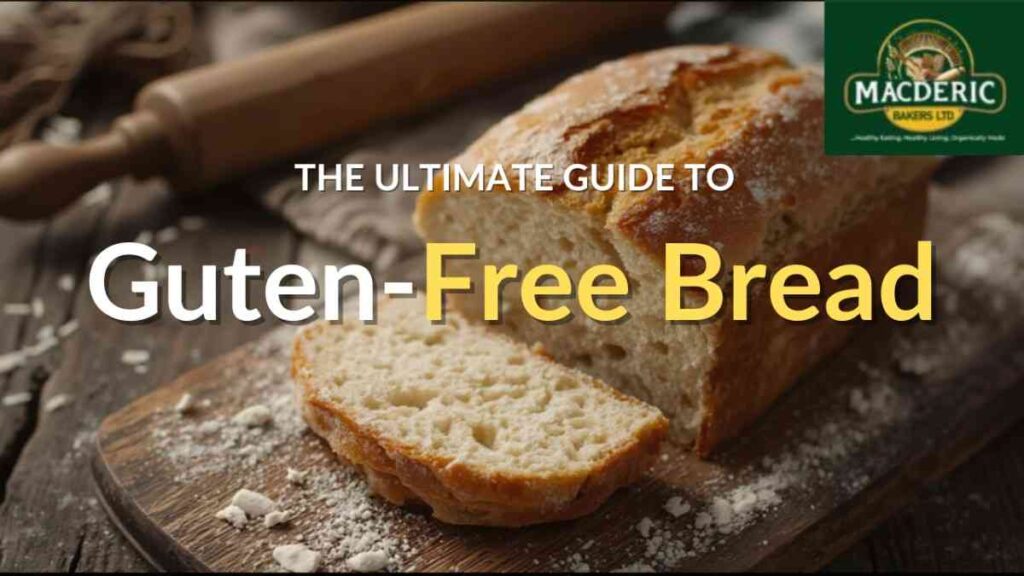
For decades, the phrase “gluten free bread” struck fear into the hearts of food lovers across the United Kingdom. It conjured images of dry, crumbly slices that fell apart at the mere sight of butter, or vacuum-packed loaves with the texture of Styrofoam. If you were diagnosed with coeliac disease or gluten intolerance fifteen years ago, your sandwich options were bleak.
Thankfully, the landscape of British baking has shifted dramatically. We are currently living through a quiet revolution in free-from food. Supermarket aisles are expanding, and independent artisan bakers are reclaiming the craft, proving that removing wheat doesn’t mean removing joy.
However, quantity does not always equal quality. While it is easier than ever to find a loaf without gluten, finding one that offers genuine nutrition, a pleasant crumb, and a crust that actually crunches remains a challenge. This guide is designed to help you navigate the complex world of gluten free bread in the UK—from decoding ingredient labels to discovering the rise of oat-based artisan baking.
What Is Gluten Free Bread?
To understand the challenge of making good gluten free bread, we must first understand what makes traditional bread work. In wheat bread, gluten is the magical protein network that traps carbon dioxide produced by yeast. It gives dough its elasticity (allowing it to stretch) and bread its structure (stopping it from collapsing). It is responsible for that characteristic chew and the airy holes in a sourdough crumb.
When you remove gluten, you remove the scaffolding.
Gluten free bread relies on alternative flours and binding agents to replicate this structure. Instead of wheat, rye, or barley, bakers use a blend of naturally gluten free grains, seeds, and starches. To replace the elasticity of gluten, recipes often include hydrocolloids—ingredients that form a gel with water—such as xanthan gum, guar gum, or psyllium husk.
The challenge for UK bakers is balance. Too much starch makes the bread gummy; too much gum makes it rubbery; too little moisture makes it dry. Achieving a loaf that mimics the “viscoelastic” properties of wheat bread requires precise chemistry and high-quality ingredients.
Common Ingredients in Gluten Free Bread
If you turn over a packet of standard gluten free bread, the ingredient list is often startlingly long. Understanding these components is key to finding a loaf that is not just safe to eat, but good for you.
The Foundation: Flours and Starches
Most commercial breads rely on a blend of the following:
- Rice Flour: The industry standard. It is neutral in flavour and inexpensive. However, white rice flour is high in refined carbohydrates and low in fibre, often resulting in a gritty texture if not milled finely.
- Corn Starch (Maize Starch): Used to lighten the texture, but devoid of significant nutritional value.
- Potato Starch & Tapioca Starch: These add springiness and help create a crisp crust. Like corn starch, they are high-glycaemic ingredients.
- Ancient Grains (Buckwheat, Millet, Teff, Quinoa, Sorghum): These are the gold standard. They add protein, fibre, and earthy flavours. A bread listed as “multigrain” usually contains small percentages of these mixed with cheaper starches.
The Binders: Gums and Psyllium
- Xanthan Gum & Guar Gum: Produced via fermentation (xanthan) or from a bean (guar), these are the most common binders. They stop the bread from crumbling.
- Psyllium Husk: A natural soluble fibre that absorbs huge amounts of water. It is widely considered the best natural binder for artisan baking as it creates a moist, open crumb similar to wheat bread.
The Extras: Preservatives
Commercial loaves destined for supermarket shelves need to last for weeks. You will often see calcium propionate or sorbic acid listed to prevent mould, alongside emulsifiers like E471 to keep the bread soft. While safe, these additives move the product away from “real food” and into the realm of ultra-processed foods (UPF).
Store-Bought vs Artisan Gluten Free Bread UK
The divide between mass-produced supermarket bread and small-batch artisan loaves is vast. Here is how they compare across key evaluation entities.
| Feature | Supermarket Free-From Aisle | Artisan / Small Batch Bakery |
| Texture | Often uniform, soft, but can be gummy or dry. Crusts are rarely crisp. | Varied textures with a genuine crust and open crumb. |
| Taste | Neutral, sometimes yeasty or chemical aftertaste. | distinct flavours derived from the grains (nutty, earthy, sweet). |
| Ingredients | Starch-heavy (rice, corn, potato), gums, preservatives, sugar. | Whole grain flours, minimal starches, natural binders (psyllium), no preservatives. |
| Nutrition | Often low in fibre and protein; high glycaemic index. | Higher fibre and protein content; more satiating. |
| Shelf Life | Long (often weeks) due to preservatives / vacuum packing. | Short (3-5 days), best eaten fresh or frozen. |
| Price | Affordable (£2.00 – £3.50). | Premium (£4.50 – £7.00). |
The Verdict: Supermarket bread is convenient for a quick sandwich, but artisan bread offers a superior culinary experience and better nutritional profile.
The Problem With Starch-Heavy Bread
A common complaint among those new to a coeliac diet is weight gain or feeling unsatisfied after meals. The culprit is often the bread.
To replicate the fluffiness of white wheat bread, manufacturers rely heavily on starches (potato, tapioca, corn). While gluten free, these are essentially pure carbohydrates that digest rapidly, causing spikes in blood sugar. They lack the complex fibre matrix found in whole grains.
Furthermore, because these starches lack flavour, manufacturers often add higher levels of sugar and fat to make the bread palatable. This results in a product that is calorie-dense but nutrient-poor. If your gluten free toast leaves you hungry an hour later, check the label: if “starch” appears in the first three ingredients, you are eating empty calories.
Why Oat-Based Gluten Free Bread Is Different
In the search for a healthier alternative, oats have emerged as a powerhouse ingredient. Pure, uncontaminated oat flour behaves differently from rice or corn flour.
1. Structure and Texture: Oats contain beta-glucans, a type of soluble fibre that forms a gel when mixed with water. This mimics some of the structural properties of gluten naturally, reducing the need for gums and excessive starches.
2. Digestibility: Oats are gentler on the digestive system for many people (though coeliacs must ensure they are certified gluten free oats to avoid cross-contamination).
3. Satiety: Unlike high-starch breads, oat bread has a lower glycaemic index. The high fibre content releases energy slowly, keeping you fuller for longer.
4. Flavor Profile: Oat flour brings a natural, subtle sweetness and a nutty aroma that pairs beautifully with both savoury toppings and sweet jams. It eliminates the “chalky” aftertaste associated with rice flour.
Types of Gluten Free Bread Available
Diversity in the UK market is improving. Beyond the standard sliced white, here is what you can now find:
- Sourdough: Real fermentation breaks down starches and improves flavour. GF sourdough is often denser but richer in taste.
- Rolls and Buns: Hard to get right. Look for psyllium-based recipes for the best “squish” without crumbling.
- Bagels: Often boiled before baking to get that chewy skin.
- Seeded Multigrain: Packed with linseeds, sunflower seeds, and pumpkin seeds to add crunch and nutrition.
- Fruit and Sweet Breads: Teacakes and fruit loaves are becoming more common, using dried fruits to add moisture.
How To Choose The Best Gluten Free Bread UK
When scanning the shelves or browsing online, use this checklist to ensure you are buying quality:
- Check the First Ingredient: It should ideally be a flour (oat, buckwheat, sorghum, rice) rather than a pure starch.
- Fibre Content: Look for at least 3g – 5g of fibre per 100g. Good bread feeds your gut microbiome.
- Sugar Levels: Many brands add sugar to aid yeast fermentation and browning, but it shouldn’t be high up the list.
- Fortification: Traditional wheat flour in the UK is fortified with calcium and iron by law. Gluten free flour is not always fortified. Check if the brand adds vitamins or if the grains used are naturally nutrient-dense.
- Certification: For coeliacs, the Crossed Grain symbol or a clear “Certified Gluten Free” statement is non-negotiable to ensure safety from cross-contamination.
Buying Gluten Free Bread Online UK
The best gluten free bread is often not found in the local Tesco or Sainsbury’s, but online. The rise of direct-to-consumer baking allows artisan bakers to bypass the need for shelf-extending preservatives.
Logistics and Freshness:
When buying online, delivery speed is crucial. Most artisan bakeries bake to order and ship via 24-hour courier. This ensures the bread arrives as fresh as possible.
The “Slice and Freeze” Strategy:
Because artisan GF bread lacks preservatives, it stales faster than supermarket loaves. The smartest way to manage this is to slice the loaf immediately upon arrival and freeze it. You can then toast slices directly from frozen, which often refreshes the texture and makes the crust crisp again.
Packaging:
Look for bakeries that use sustainable packaging. Many now use recyclable paper or compostable bags, moving away from the heavy plastics of industrial bread.
Small Batch Bakeries & The Rise of Local Gluten Free Baking
We are seeing a resurgence of the village bakery model, adapted for the modern allergen-aware consumer. Small batch bakeries have a distinct advantage: they can experiment. They don’t need to formulate recipes that survive two weeks on a truck; they only need to make bread that tastes delicious today.
These bakers are often driven by personal experience—many are coeliacs themselves who were dissatisfied with what the market offered. They are rediscovering ancient techniques, using higher hydration levels, and prioritising taste over shelf-life.
Example of a UK Oat-Based Bakery
A prime example of this shift toward artisan, ingredient-focused baking is Macderic Bakers, based in Albrighton, West Midlands.
Macderic operates with a philosophy that aligns with the “oat advantage” discussed earlier. They function as a dedicated gluten-free bakery that specialises in using pure oat flour as the foundation for their baking. This approach avoids the common pitfalls of starch-heavy commercial loaves, resulting in breads that are nutrient-dense and satisfying.
What makes their approach interesting for the UK market is the sheer variety of flavours they have managed to incorporate into their “Digest” bread range. Rather than sticking to plain white or brown, they treat bread as a carrier for significant flavour profiles.
Their range includes savoury options designed to pair with meals, such as:
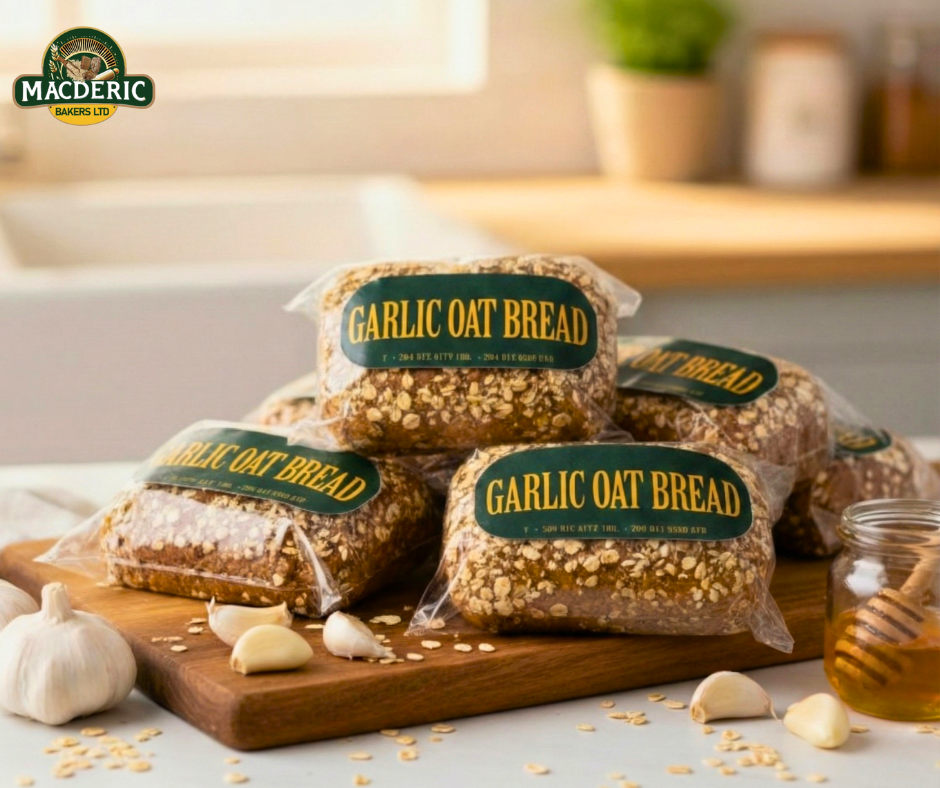
- Garlic Oat Digest (ideal for soup or toasting)
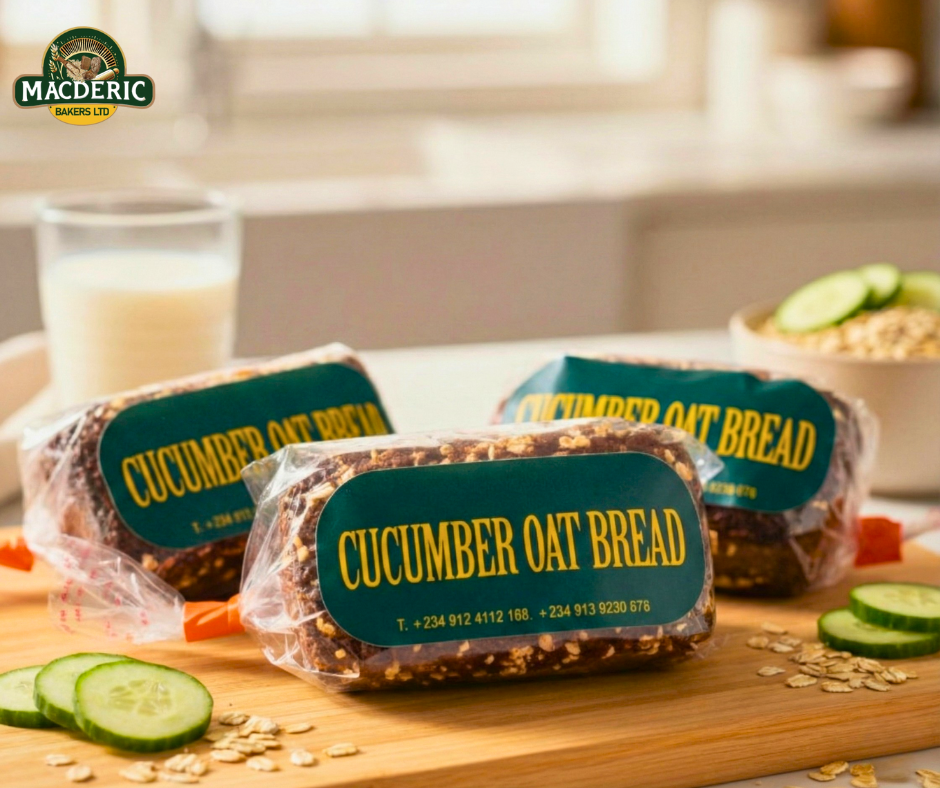
- Cucumber Oat Digest
- Beetroot Oat Digest

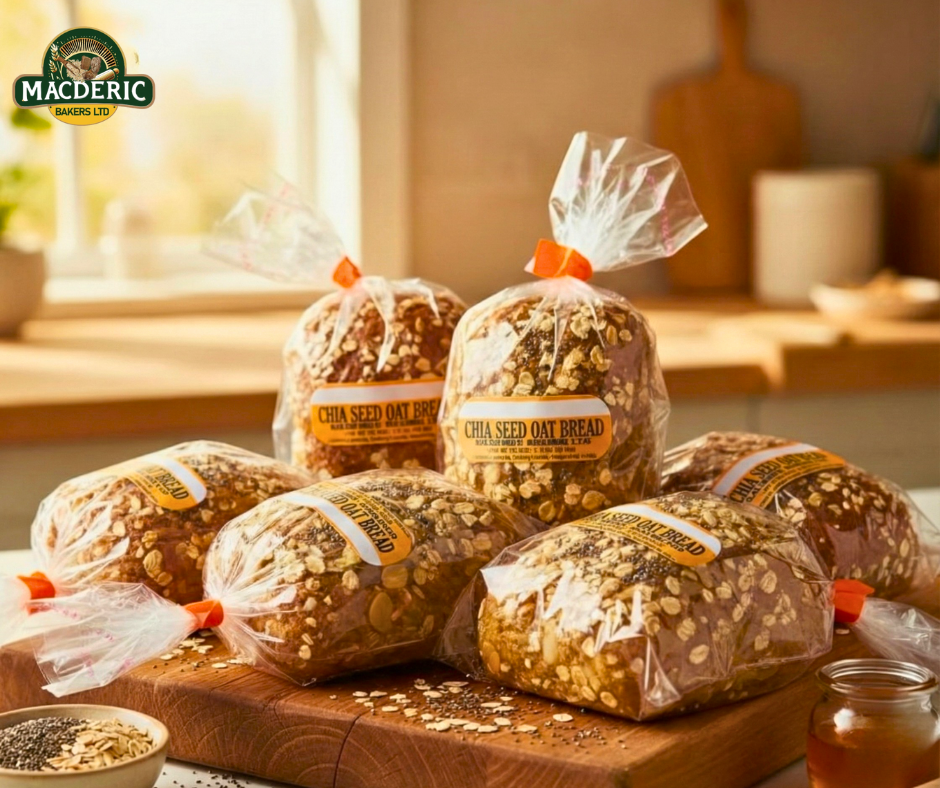
- Chia Seed Oat Digest
For those who prefer a sweeter loaf or breakfast bread, they bake:
- Almond Oat Digest

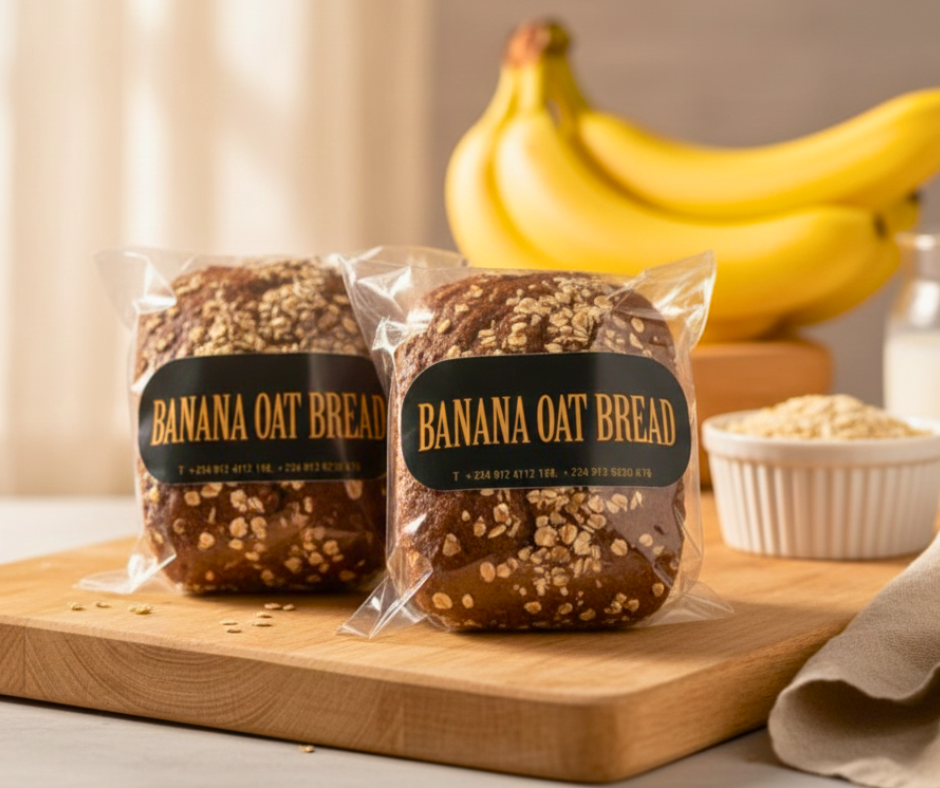
- Banana Oat Digest
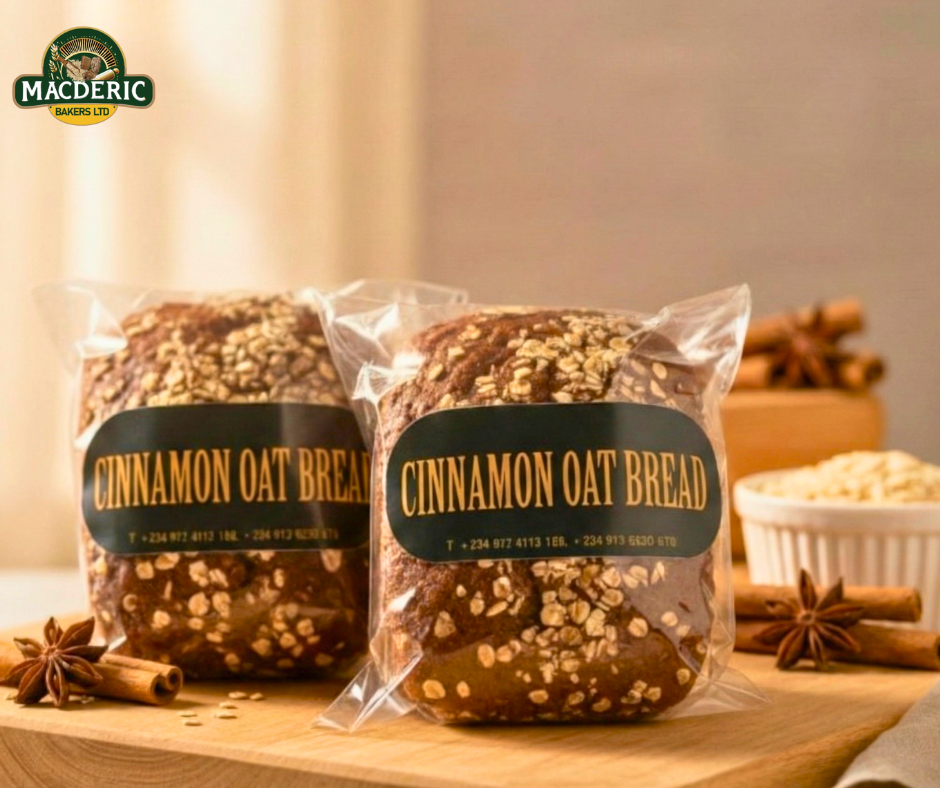
- Cinnamon Oat Digest
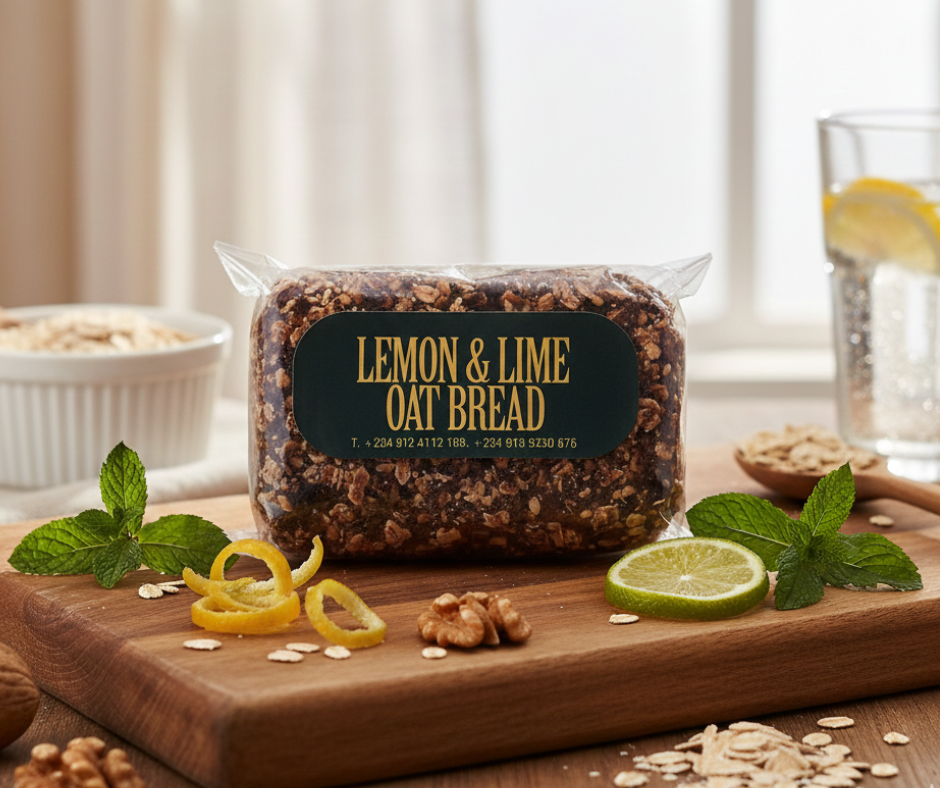
- Lemon & Lime Oat Digest
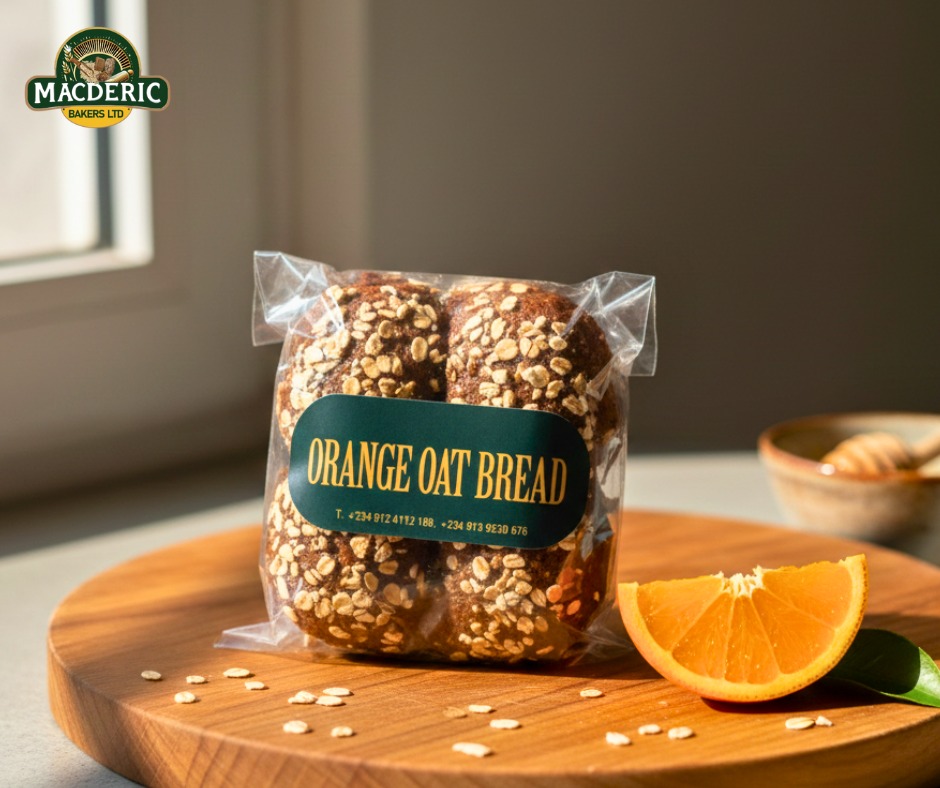
- Orange, Coconut, Pistachio, Walnut, and Fruit Oat Digest loaves.
Beyond just bread, they produce sugar-free baked goods, cakes, and pastries, catering to those who are managing sugar intake alongside gluten sensitivity. While they have a physical dine-in café in Albrighton for locals, they have adapted to the modern demand for better bread by offering UK-wide delivery, allowing anyone in the country to access fresh, small-batch oat bread.
Conclusion
Finding the perfect gluten free bread in the UK is no longer a mission impossible—it is a journey of discovery. We have moved past the days of dry, vacuum-packed disappointed and into an era of choice.
While supermarket options offer convenience, the real quality lies in reading the labels and exploring the artisan market. By choosing breads based on whole grains like oats, buckwheat, and sorghum, rather than empty starches, you are prioritising your health as well as your taste buds.
Whether you are browsing the “free from” aisle or ordering a Garlic Oat Digest loaf online, remember that you deserve bread that doesn’t just hold a sandwich together, but adds to the pleasure of the meal.
Frequently Asked Questions
1. Is gluten free bread healthier than normal bread?
Not automatically. Many commercial gluten free breads are higher in fat, sugar, and refined starches to improve texture. However, artisan gluten free bread made from whole grains (like oats, quinoa, or buckwheat) can be incredibly healthy, high in fibre, and easier to digest than processed wheat bread.
2. Why does my gluten free bread fall apart?
Gluten is the glue that holds bread together. If your bread crumbles, it usually lacks a sufficient binder (like psyllium husk or xanthan gum) or moisture. Toasting the bread can often help “set” the slice and prevent it from breaking mid-sandwich.
3. Can coeliacs eat oat bread?
Most coeliacs can eat oats, provided they are “pure” or “gluten free” oats. Regular oats are often processed in factories that handle wheat, leading to contamination. Always ensure the bakery or brand specifies they use certified gluten free oats. A small percentage of coeliacs are sensitive to avenin (a protein in oats) and may need to avoid them entirely.
4. How should I store fresh artisan gluten free bread?
Do not store it in the fridge, as this speeds up the staling process. Keep it in a bread bin if you plan to eat it within 2-3 days. For the best results, slice the entire loaf as soon as you get it and freeze it.
5. Why is gluten free bread so expensive in the UK?
The ingredients (such as almond flour, pure oat flour, and psyllium) are significantly more expensive than mass-produced wheat flour. Additionally, gluten free baking requires dedicated facilities to prevent cross-contamination, which increases production costs for bakeries.